EU end-of-life vehicle rules: No blanket scrappage for classics, but restoration projects need attention
Age alone does not condemn a car to scrap. Historic vehicles have an exemption; younger classics and unfinished restorations require a closer look at condition, evidence and the new criteria.
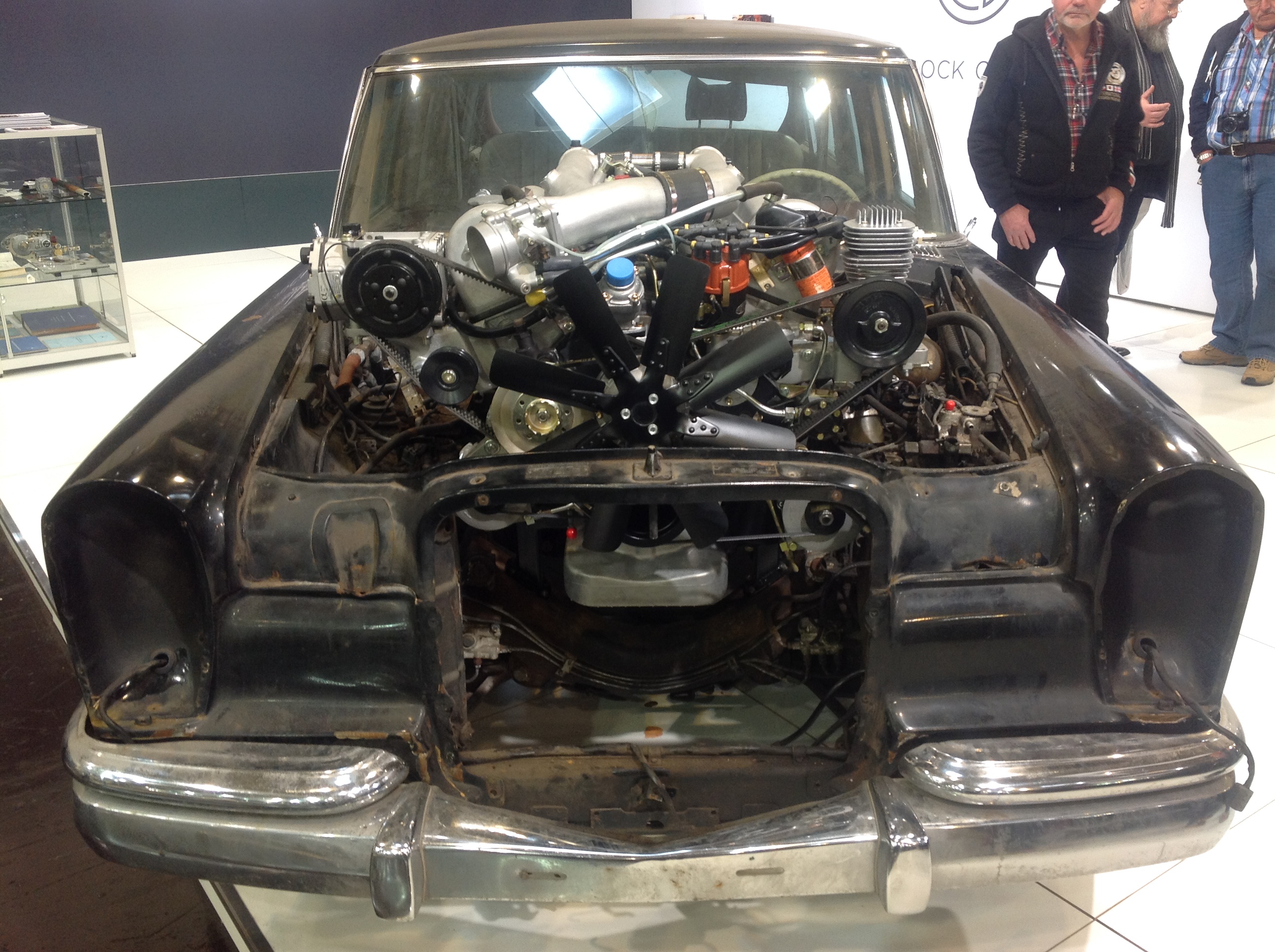
A dismantled car can represent years of plans, saved parts and personal commitment. Waste legislation asks a different question: can that vehicle still be repaired, or has it become an end-of-life vehicle? The new EU regulation addresses this boundary. Claims that Brussels has ordered all old cars to be scrapped are not supported by the adopted rules. Equally, not every restoration project automatically qualifies for an exemption.
This assessment was checked on 9 October 2026. Regulation (EU) 2026/1738 was adopted on 8 July, published on 24 July and entered into force on 13 August 2026. Its general application date is 1 September 2028, with separate transitional dates for some requirements. Entry into force does not mean that every obligation already applies.
Historic vehicles have a specific exemption
Vehicles of historical interest are excluded while they retain the relevant status. Calling a car a classic in an advertisement is not sufficient. The European definition includes an age of at least 30 years, a type no longer in production and a historically preserved condition without substantial changes to its main components.
An old car therefore does not become waste simply because of its age. However, a younger collectible car or a substantially modified project may not meet the historical-vehicle definition. Those owners should not assume that the same exemption necessarily covers their vehicles.
Expensive repairs do not automatically mean scrap
Annex I distinguishes technical irreparability from indicators requiring a technical assessment. Irreversible structural safety defects are not the same as an unfinished car awaiting replacement parts or repair work.
Repair economics can be an indicator, but the regulation should not be reduced to “repairs cost more than the car, therefore it must immediately be scrapped”. Enthusiasts may reasonably restore a vehicle without expecting to recover the expenditure through a sale. The distinction between binding criteria and circumstances requiring expert assessment matters.
Understanding the five-year period
The relevant five-year period starts with the technical assessment in the procedure concerned. It does not automatically begin when a car is deregistered, purchased or placed in a garage. If no roadworthiness certificate is obtained within that period, the rules provide for classification as an end-of-life vehicle. They also allow the competent authority, on request, to exempt a vehicle undergoing repair from that classification.
This is not a universal five-year limit on every restoration. Nor does it make indefinitely leaving a vehicle unprotected irrelevant. Evidence and the practical handling of exemptions will matter in individual cases.
What owners can prepare
Our editorial advice is to retain vehicle papers, identification details, purchase records, photographs of condition and evidence of work completed. A credible repair plan may help demonstrate that a vehicle is a genuine restoration project. This is practical advice, not a claim that every owner faces a new compulsory photography requirement.
Before buying a difficult project, check its provenance, documentation and technical repairability. Where its status is uncertain, a professional assessment is more useful than a seller simply describing it as a classic.
The important distinction is between a vehicle worth preserving and a vehicle legally treated as waste. There is no blanket age-based scrappage order. There is protection for qualifying historic vehicles, alongside new rules that deserve careful attention where a project falls outside that protection.
Quellen / Izvori / Sources
Verordnung (EU) 2026/1738 – EUR-Lex
Verabschiedeter Gesetzestext – Rat der EU, Artikel 2 und Anhang I
EU-Kommission: Inkrafttreten und Anwendungstermin
Historische Fahrzeuge: Definition in Richtlinie 2014/45/EU
Image credit: Andrew Bone / Wikimedia Commons.jpg) · CC BY 2.0.